
Vitamin D3 and Vitamin K2 have become one of the most widely discussed nutrient combinations in modern wellness. While each vitamin plays an important role individually, growing scientific interest has focused on how they may work together to support normal calcium metabolism, healthy bones, immune function, and overall well-being.
Vitamin D3, also known as cholecalciferol, helps the body absorb calcium from the diet and contributes to the maintenance of normal bones and teeth. Vitamin K2, particularly in its MK-7 form, participates in activating proteins involved in the body’s normal use of calcium. Because these nutrients perform complementary functions, many healthcare professionals and researchers have explored their combined role in daily nutrition.
Although Vitamin D3 and Vitamin K2 are naturally found in certain foods, modern lifestyles often make it difficult to consistently obtain adequate amounts through diet alone. Limited sun exposure, indoor work environments, dietary preferences, and age-related factors have all contributed to increased interest in nutritional supplementation.
This comprehensive guide explains what Vitamin D3 and Vitamin K2 are, how they function within the body, why they are frequently combined, what current scientific research suggests, recommended daily intake considerations, food sources, safety information, and answers to the most frequently asked questions.
Whether you’re learning about these nutrients for the first time or looking to better understand the science behind Vitamin D3 and K2 supplementation, this guide provides evidence-based information designed to help you make informed decisions about your daily wellness routine.
Table of Contents
Complete Guide
Scientific References
What Is Vitamin D3?
What Is Vitamin K2?
Understanding the Difference Between MK-4 and MK-7
Why Are Vitamin D3 and K2 Often Taken Together?
How Vitamin D3 Supports Normal Calcium Absorption
How Vitamin K2 Supports Normal Calcium Utilization
Scientific Research on Vitamin D3 and Vitamin K2
Potential Benefits of Vitamin D3 + K2
Bone Health
Immune Function
Muscle Function
Cardiovascular Health
Healthy Aging
Food Sources of Vitamin D3
Food Sources of Vitamin K2
Who May Consider Vitamin D3 + K2 Supplementation?
Understanding Vitamin D3 Dosage
Understanding Vitamin K2 Dosage
Is 5,000 IU of Vitamin D3 Right for You?
Vitamin D3 + K2 Safety Considerations
Frequently Asked Questions
Quick Summary
✔ Learn how Vitamin D3 and Vitamin K2 work together in normal calcium metabolism.
✔ Understand the differences between Vitamin K2 MK-4 and MK-7.
✔ Explore current scientific research related to bone, immune, muscle, and cardiovascular health.
✔ Discover common food sources rich in Vitamin D3 and Vitamin K2.
✔ Learn how to interpret Vitamin D3 dosage recommendations and daily intake.
✔ Review important safety considerations before beginning supplementation.
✔ Find answers to the most frequently asked questions about Vitamin D3 and Vitamin K2.
What Is Vitamin D3?
Vitamin D3, also known as cholecalciferol, is a fat-soluble vitamin that plays an essential role in maintaining overall health. Unlike most vitamins, Vitamin D3 functions similarly to a hormone once it is activated in the body, helping regulate several important physiological processes.
One of its primary functions is supporting the body’s ability to absorb calcium and phosphorus from the digestive tract. These minerals are essential for maintaining normal bone mineralization, healthy teeth, and proper muscle function. Vitamin D3 also contributes to the normal function of the immune system and supports many cells throughout the body that rely on adequate vitamin D status.
Although Vitamin D3 is often called the “sunshine vitamin,” many people do not consistently produce sufficient amounts through sunlight exposure alone. Factors such as indoor lifestyles, sunscreen use, geographic location, seasonal changes, skin pigmentation, and aging can all influence the body’s natural production of Vitamin D3.
Because of these factors, Vitamin D3 supplementation has become increasingly popular among adults seeking to maintain healthy vitamin D levels as part of their daily wellness routine.
How Does Vitamin D3 Work in the Body?
Vitamin D3 follows a unique pathway after entering the body.
When produced by the skin or consumed through food or supplements, Vitamin D3 is first transported to the liver, where it is converted into 25-hydroxyvitamin D [25(OH)D], the primary circulating form commonly measured in blood tests to evaluate vitamin D status.
It is then converted in the kidneys into its biologically active form, 1,25-dihydroxyvitamin D, which interacts with vitamin D receptors located throughout many tissues and organs.
This active form helps regulate several normal physiological functions, including:
- Supporting normal calcium absorption.
- Helping maintain normal phosphorus levels.
- Contributing to healthy bones and teeth.
- Supporting normal muscle function.
- Contributing to normal immune system function.
- Participating in normal cell growth and differentiation.
Because vitamin D receptors are present in many parts of the body, researchers continue to study Vitamin D3’s broader role in overall health.
Natural Sources of Vitamin D3
Although sunlight remains the body’s primary natural source of Vitamin D3, certain foods also provide meaningful amounts.
Common dietary sources include:
- Fatty fish such as salmon, mackerel, sardines, and trout.
- Cod liver oil.
- Egg yolks.
- Beef liver.
- Fortified milk.
- Fortified breakfast cereals.
- Fortified orange juice.
- Some fortified plant-based beverages.
Even with a balanced diet, many people find it difficult to consistently obtain enough Vitamin D3 through food alone because relatively few foods naturally contain significant amounts.
Sunlight and Vitamin D3 Production
When ultraviolet B (UVB) rays from sunlight reach the skin, they trigger the conversion of 7-dehydrocholesterol into Vitamin D3.
However, several factors can reduce this natural production, including:
- Spending most of the day indoors.
- Wearing sunscreen.
- Living at northern or southern latitudes.
- Winter months with reduced UVB exposure.
- Air pollution.
- Aging, which decreases the skin’s ability to synthesize Vitamin D3.
- Darker skin pigmentation, which naturally filters more UVB radiation.
These factors help explain why Vitamin D insufficiency is relatively common worldwide despite the body’s ability to produce Vitamin D3 naturally.
Why Is Vitamin D3 Important?
Vitamin D3 supports multiple essential functions throughout the body. According to the National Institutes of Health (NIH), adequate Vitamin D intake contributes to normal calcium absorption and helps maintain healthy bones and normal muscle function.
Current research also continues to explore Vitamin D’s broader role in maintaining overall wellness. While studies are ongoing, Vitamin D is widely recognized as an important nutrient for everyday health.
Some of its well-established physiological roles include:
- Supporting normal calcium absorption.
- Helping maintain normal blood calcium levels.
- Supporting healthy bones and teeth.
- Contributing to normal muscle function.
- Supporting normal immune function.
- Participating in healthy cell function.
Because these functions are interconnected, maintaining adequate Vitamin D status is considered an important part of a balanced nutritional lifestyle.
Why Is Vitamin D3 Often Combined with Vitamin K2?
Although Vitamin D3 performs many important functions on its own, it is frequently paired with Vitamin K2, particularly in the MK-7 form.
Vitamin D3 supports the body’s ability to absorb calcium from the diet, while Vitamin K2 is involved in activating proteins that participate in the body’s normal utilization of calcium.
For this reason, many premium dietary supplements combine these two nutrients into a single daily formula.
The relationship between Vitamin D3 and Vitamin K2 has become an active area of nutritional research, especially regarding normal bone metabolism and calcium utilization. The next section of this guide explains how Vitamin K2 works and why the MK-7 form has become one of the most commonly used forms in modern supplementation.
Scientific References
Endocrine Society Clinical Practice Guideline: Evaluation, Treatment, and Prevention of Vitamin D Deficiency.
National Institutes of Health – Office of Dietary Supplements. Vitamin D Fact Sheet for Health Professionals: https://ods.od.nih.gov/factsheets/VitaminD-HealthProfessional/
Holick MF. Vitamin D Deficiency. New England Journal of Medicine. 2007.
Institute of Medicine (National Academies). Dietary Reference Intakes for Calcium and Vitamin D. 2011.
What Is Vitamin K2?
Vitamin K2 is a fat-soluble vitamin that belongs to the vitamin K family, a group of nutrients primarily known for their role in normal blood clotting and calcium metabolism. While Vitamin K1 (phylloquinone) is found mainly in leafy green vegetables and is primarily involved in normal blood coagulation, Vitamin K2 (menaquinone) has gained increasing attention for its role in supporting bone health and the body’s normal use of calcium.
Unlike Vitamin K1, which is abundant in plant foods, Vitamin K2 is naturally found in certain fermented foods and animal-derived products. It is also produced in small amounts by bacteria in the human digestive tract, although this production alone is not considered a reliable source for meeting daily nutritional needs.
In recent years, Vitamin K2 has become one of the most researched nutrients in nutritional science because of its complementary relationship with Vitamin D3. While Vitamin D3 helps the body absorb calcium from the digestive tract, Vitamin K2 participates in activating proteins involved in the body’s normal calcium utilization. This complementary relationship explains why many modern dietary supplements combine both nutrients into a single daily formula.
Understanding the Different Forms of Vitamin K2
Vitamin K2 is not a single compound. Instead, it refers to a family of molecules called menaquinones, identified by the abbreviation MK, followed by a number that indicates the length of their molecular side chain.
The two forms most commonly found in dietary supplements are:
- MK-4 (Menaquinone-4)
- MK-7 (Menaquinone-7)
Although both forms belong to the Vitamin K2 family, they differ in their food sources, metabolism, and how long they remain in circulation after consumption.
What Is MK-4?
MK-4 is naturally present in several animal-based foods, including:
- Egg yolks
- Butter
- Chicken
- Beef
- Liver
- Certain dairy products
Unlike most other menaquinones, MK-4 can also be produced within the body by converting Vitamin K1 into Vitamin K2 in specific tissues.
One characteristic of MK-4 is its relatively short half-life in the bloodstream. Because it is cleared more quickly, many products containing MK-4 use multiple daily servings to maintain consistent intake.
MK-4 has been studied extensively and remains an important form of Vitamin K2, particularly in countries such as Japan, where it has been used in nutritional research for decades.
What Is MK-7?
MK-7 is the form of Vitamin K2 most commonly found in premium dietary supplements today.
It is naturally produced during the fermentation process of certain foods, especially:
- Natto (fermented soybeans)
- Some fermented cheeses
- Other fermented foods
Compared with MK-4, MK-7 has a much longer half-life, allowing it to remain in circulation for an extended period after consumption.
Because of this longer persistence in the bloodstream, many supplement manufacturers choose MK-7 for convenient once-daily formulations.
For this reason, many modern Vitamin D3 + K2 supplements—including formulations providing 5,000 IU of Vitamin D3—use Vitamin K2 as MK-7.
How Does Vitamin K2 Work?
Vitamin K2 serves as a cofactor for enzymes that activate several vitamin K-dependent proteins involved in normal physiological functions.
Among these proteins are:
- Osteocalcin, a protein involved in normal bone mineralization.
- Matrix Gla Protein (MGP), a protein associated with normal calcium metabolism in soft tissues.
These proteins require Vitamin K-dependent activation before they can perform their normal biological roles.
Because Vitamin D3 contributes to calcium absorption while Vitamin K2 activates proteins involved in calcium utilization, researchers have become increasingly interested in studying how these nutrients function together.
Although research continues to evolve, this complementary relationship is one of the primary reasons Vitamin D3 and Vitamin K2 are frequently paired in dietary supplements.
Natural Food Sources of Vitamin K2
Vitamin K2 is found in relatively few foods compared with many other vitamins.
Some of the richest dietary sources include:
- Natto (fermented soybeans)
- Gouda cheese
- Brie cheese
- Edam cheese
- Egg yolks
- Chicken liver
- Beef liver
- Dark meat chicken
- Butter
- Certain fermented dairy products
Among these foods, natto is widely recognized as one of the richest natural sources of MK-7.
However, because fermented foods are not commonly consumed in many Western diets, many adults obtain only modest amounts of Vitamin K2 through food alone.
Why Is Vitamin K2 Commonly Paired with Vitamin D3?
Vitamin D3 and Vitamin K2 perform different but complementary functions.
Vitamin D3 contributes to the body’s ability to absorb calcium from the digestive tract.
Vitamin K2 activates proteins involved in the body’s normal utilization of calcium.
Because these physiological processes are interconnected, combining both nutrients in a daily supplement has become increasingly popular among adults seeking nutritional support for bone health and overall wellness.
It is important to note that Vitamin K2 does not replace Vitamin D3, nor does Vitamin D3 replace Vitamin K2. Instead, they perform distinct biological functions that complement one another as part of normal calcium metabolism.
Who May Be Interested in Vitamin K2?
Adults may choose Vitamin K2 supplementation for a variety of reasons, particularly as part of a balanced nutritional routine.
Interest in Vitamin K2 is common among individuals who:
- Want to maintain healthy bones as they age.
- Take Vitamin D3 supplements.
- Consume limited amounts of fermented foods.
- Seek comprehensive daily nutritional support.
- Prefer once-daily wellness routines.
As with any dietary supplement, individuals should discuss supplementation with a qualified healthcare professional, especially if they have existing medical conditions or take prescription medications.
Safety Considerations
Vitamin K2 is generally well tolerated when consumed as part of a balanced diet or used according to product directions.
However, individuals taking anticoagulant medications such as warfarin (Coumadin®) should consult their healthcare provider before using Vitamin K supplements, since changes in Vitamin K intake may affect medication management.
Pregnant or breastfeeding women, individuals with underlying medical conditions, and anyone taking prescription medications should seek professional medical guidance before beginning supplementation.
Key Takeaways
- Vitamin K2 belongs to the menaquinone family of Vitamin K compounds.
- The two primary supplemental forms are MK-4 and MK-7.
- MK-7 has a longer half-life than MK-4, making it a common choice for once-daily supplements.
- Vitamin K2 activates proteins involved in normal calcium utilization.
- Vitamin D3 and Vitamin K2 are frequently combined because they perform complementary physiological functions.
- Fermented foods such as natto are among the richest natural dietary sources of MK-7.
- Vitamin K2 supplementation should be discussed with a healthcare professional by individuals taking anticoagulant medications.
Scientific References
- National Institutes of Health – Office of Dietary Supplements. Vitamin K Fact Sheet for Health Professionals. https://ods.od.nih.gov/factsheets/VitaminK-HealthProfessional/
- Schurgers LJ, Vermeer C. Determination of Phylloquinone and Menaquinones in Food. Haemostasis. 2000.
- Walther B, Karl JP, Booth SL, Boyaval P. Menaquinones, Bacteria, and the Food Supply: The Relevance of Dairy and Fermented Food Products to Vitamin K Requirements. Advances in Nutrition. 2013.
- Beulens JWJ, Booth SL, van den Heuvel EGHM, Stoecklin E, Baka A, Vermeer C. The Role of Menaquinones (Vitamin K2) in Human Health. British Journal of Nutrition. 2013.
- Shearer MJ, Newman P. Metabolism and Cell Biology of Vitamin K. Thrombosis and Haemostasis. 2008.
Why Vitamin D3 and K2 Work Better Together
Vitamin D3 and Vitamin K2 are among the most frequently paired nutrients in modern dietary supplements, and for good reason. While each vitamin performs important functions independently, they participate in complementary biological processes related to normal calcium metabolism. This natural relationship has made the Vitamin D3 + K2 combination one of the most widely studied nutrient pairings in nutritional science.
Rather than performing the same job, these vitamins support different steps in the body’s normal handling of calcium. Vitamin D3 primarily contributes to calcium absorption, while Vitamin K2 helps activate proteins involved in the body’s normal utilization of calcium. Together, they help support healthy bones and other normal physiological functions that depend on proper calcium metabolism.
Step 1: Vitamin D3 Helps the Body Absorb Calcium
Calcium is one of the most abundant minerals in the human body, but consuming calcium alone does not guarantee that it will be efficiently absorbed.
One of Vitamin D3’s most important physiological roles is helping the small intestine absorb calcium and phosphorus from food. Without adequate Vitamin D, calcium absorption becomes less efficient, which is why maintaining sufficient Vitamin D intake is considered an important part of supporting normal bone health.
According to the National Institutes of Health (NIH), Vitamin D contributes to:
- Normal calcium absorption
- Normal phosphorus absorption
- Maintenance of normal blood calcium levels
- Healthy bones and teeth
- Normal muscle function
- Normal immune system function
Because of these well-established functions, Vitamin D3 is commonly included in supplements designed to support everyday bone and muscle health.
Step 2: Vitamin K2 Activates Calcium-Related Proteins
Once calcium has been absorbed, the body relies on several Vitamin K-dependent proteins that require activation before they can perform their normal physiological roles.
Vitamin K2 functions as a cofactor for enzymes that activate proteins such as:
- Osteocalcin, which participates in normal bone mineralization.
- Matrix Gla Protein (MGP), which plays a role in normal calcium metabolism within soft tissues.
Without adequate Vitamin K, these proteins remain underactivated and cannot function as efficiently within their normal biological pathways.
This complementary relationship is one reason why Vitamin K2 has become an increasingly popular partner to Vitamin D3 in nutritional supplements.
A Simple Way to Understand Their Relationship
Imagine building a house.
Vitamin D3 helps deliver the building materials by improving calcium absorption from the diet.
Vitamin K2 helps direct where those materials are used by activating proteins involved in the body’s normal handling of calcium.
Neither nutrient replaces the other.
Instead, each contributes to a different step of the same overall physiological process.
This simplified analogy helps explain why many nutrition professionals consider these vitamins complementary rather than interchangeable.
Why Many Supplements Combine Vitamin D3 and K2
Premium dietary supplements frequently combine Vitamin D3 with Vitamin K2 because they support different aspects of calcium metabolism.
A typical combination formula may include:
- Vitamin D3 to support normal calcium absorption.
- Vitamin K2 (usually MK-7) to activate Vitamin K-dependent proteins involved in calcium utilization.
This approach allows adults to obtain both nutrients in a single convenient daily serving.
Although researchers continue to study the interaction between these vitamins, their complementary biological functions are well recognized.
What Does Scientific Research Suggest?
Research investigating Vitamin D3 and Vitamin K2 continues to expand.
Several randomized clinical trials and systematic reviews have evaluated whether combining these nutrients may offer advantages compared with Vitamin D alone for markers related to bone health.
For example, a systematic review and meta-analysis published in Calcified Tissue International reported that Vitamin K combined with Vitamin D produced greater improvements in bone mineral density in certain study populations compared with control groups.
Other studies have explored how Vitamin K2 contributes to activating osteocalcin and Matrix Gla Protein, both of which participate in normal calcium metabolism.
Although results vary depending on study design, participant characteristics, dosage, and duration, the growing body of research has contributed to increased scientific interest in this nutrient combination.
Importantly, dietary supplements are intended to support normal physiological function and should not be viewed as treatments for disease.
Why MK-7 Is Often Preferred
Among the different forms of Vitamin K2, MK-7 has become the preferred choice for many daily supplements.
Compared with MK-4, MK-7 remains in circulation for a longer period after consumption.
Because of its longer half-life, MK-7 is well suited for convenient once-daily supplementation.
For this reason, many Vitamin D3 + K2 products—including formulations containing 5,000 IU of Vitamin D3—use 90 mcg of Vitamin K2 as MK-7.
Everyday Wellness Support
Many adults choose Vitamin D3 + K2 supplements as part of a balanced wellness routine because they are interested in supporting:
- Healthy bones
- Normal calcium metabolism
- Muscle function
- Immune system function
- Healthy aging
- Long-term nutritional wellness
When combined with a balanced diet, regular physical activity, and healthy lifestyle habits, these nutrients can become part of an overall wellness strategy.
Key Takeaways
- Vitamin D3 and Vitamin K2 perform different but complementary biological functions.
- Vitamin D3 supports the body’s normal absorption of calcium.
- Vitamin K2 activates proteins involved in the body’s normal utilization of calcium.
- Neither vitamin replaces the other; they work through different physiological pathways.
- Vitamin K2 as MK-7 is commonly selected for once-daily supplementation because of its longer half-life.
- Scientific research continues to investigate how these nutrients work together to support normal bone and calcium metabolism.
- Combining Vitamin D3 and K2 provides a convenient way to obtain two complementary nutrients in one daily serving.
Scientific References
- National Institutes of Health (NIH). Vitamin D Fact Sheet for Health Professionals
https://ods.od.nih.gov/factsheets/VitaminD-HealthProfessional/ - National Institutes of Health (NIH). Vitamin K Fact Sheet for Health Professionals
https://ods.od.nih.gov/factsheets/VitaminK-HealthProfessional/ - Kuang X, et al. The Combination of Vitamin K and Vitamin D on Human Bone Quality: A Meta-Analysis of Randomized Controlled Trials. Calcified Tissue International. 2020.
- Beulens JWJ, Booth SL, van den Heuvel EGHM, et al. The Role of Menaquinones (Vitamin K2) in Human Health. British Journal of Nutrition. 2013.
- Shearer MJ, Newman P. Metabolism and Cell Biology of Vitamin K. Thrombosis and Haemostasis. 2008.
Scientific Research on Vitamin D3 + K2
Scientific interest in the combination of Vitamin D3 and Vitamin K2 has grown substantially over the past two decades. Researchers have focused especially on bone mineral density, osteocalcin activation, calcium metabolism, and whether combining the two vitamins produces different outcomes than using either nutrient alone.
The most important point is that the evidence is promising but not uniform. Some randomized trials and meta-analyses report benefits for bone-related markers or bone mineral density, while other reviews conclude that the evidence is still insufficient to make broad claims for all adults. That makes careful interpretation essential.
Vitamin D3 + K2 and Bone Mineral Density
One of the most frequently cited analyses on the combination of Vitamin D and Vitamin K was a 2020 meta-analysis that pooled data from 8 randomized controlled trials involving 971 participants.
The researchers found that Vitamin K combined with Vitamin D was associated with a statistically significant increase in total bone mineral density and a significant reduction in undercarboxylated osteocalcin, a marker related to Vitamin K activity. The authors also reported that outcomes appeared more favorable in analyses involving Vitamin K2. PubMed
This does not mean that Vitamin D3 + K2 automatically increases bone density in every person. The trials included different populations, doses, durations, and forms of Vitamin K. Still, the findings help explain why this nutrient combination continues to attract attention in bone-health research.
Randomized Trial in Postmenopausal Women
An earlier randomized clinical trial examined the effects of Vitamin D3 and Vitamin K2 in 92 postmenopausal women with osteoporosis.
Participants were assigned to Vitamin D3, Vitamin K2, Vitamin D3 + K2, or calcium groups. Over the study period, the combination group showed a greater increase in lumbar spine bone mineral density than the calcium group and than either vitamin-alone group. PubMed
Another randomized study involving 172 postmenopausal women followed participants for two years. The researchers reported that combined Vitamin K2 + D3 therapy produced a larger increase in vertebral bone mineral density than Vitamin K2 alone in that specific study population. PubMed
These studies are often cited when discussing D3 and K2 together, but they involved specific clinical populations and should not be generalized to all healthy adults.
Vitamin K2 and Osteocalcin
Vitamin K is required for the activation, or carboxylation, of several Vitamin K-dependent proteins.
One of the most important in bone research is osteocalcin, a protein produced by bone-forming cells. Vitamin K-dependent carboxylation allows osteocalcin to bind more effectively to hydroxyapatite, a mineral component of bone.
The 2020 Vitamin D + K meta-analysis found a significant reduction in undercarboxylated osteocalcin with combined supplementation. That result suggests improved Vitamin K-dependent activation of osteocalcin, although the clinical significance of changes in this biomarker can vary among populations. PubMed
The NIH also recognizes Vitamin K’s established biochemical role as a cofactor involved in the activation of Vitamin K-dependent proteins.
What Research Says About Vitamin K2 Alone
Research on Vitamin K2 by itself has also produced interesting results.
A 2022 systematic review and meta-analysis evaluated 16 randomized controlled trials involving 6,425 participants and found that Vitamin K2 supplementation was associated with improvements in lumbar spine bone mineral density in postmenopausal women, particularly in some combination-treatment analyses. PubMed
However, another major systematic review reached a more cautious conclusion.
An updated review of 36 randomized controlled trials found that Vitamin K might have modest effects on some bone outcomes, but when studies at higher risk of bias were removed, many differences became smaller or statistically uncertain. The authors concluded that evidence was insufficient to confidently establish a clinically meaningful effect on bone mineral density or fracture outcomes for broad populations. PubMed
That contrast is important.
Good science rarely produces a simple “yes” or “no” answer. Instead, results depend on:
and overall health status.
population studied,
baseline Vitamin D or K status,
age,
sex,
dose,
Vitamin K form,
treatment duration,
calcium intake,
Vitamin K, Calcium, and Bone Research
A separate meta-analysis published in 2021 evaluated Vitamin K combined with calcium.
It included 10 randomized controlled trials involving 1,346 participants. The analysis found a modest improvement in lumbar spine bone mineral density and a reduction in undercarboxylated osteocalcin compared with controls. PubMed
Although this analysis did not specifically evaluate Vitamin D3 + K2 in every trial, it supports the broader biological concept that Vitamin K participates in calcium-related bone metabolism.
Why Researchers Study Vitamin D3 and K2 Together
The scientific rationale is straightforward.
Vitamin D contributes to normal calcium absorption.
Vitamin K contributes to activation of proteins involved in normal calcium metabolism.
Therefore, researchers have asked whether combining the two might influence bone-related outcomes differently than either nutrient alone.
The biological relationship is well established. The magnitude of the real-world clinical benefit, however, remains an active area of research.
What About Cardiovascular Health?
Vitamin K-dependent Matrix Gla Protein, or MGP, has generated substantial scientific interest because it is present in vascular tissues and participates in normal calcium regulation.
This has led researchers to investigate whether Vitamin K status may be associated with vascular health.
However, the evidence is not strong enough to claim that Vitamin K2 prevents arterial calcification, heart disease, or cardiovascular events.
For a consumer wellness article, the responsible interpretation is:
Vitamin K2 participates in activation of Vitamin K-dependent proteins involved in normal calcium metabolism, while research continues to investigate the significance of these pathways for cardiovascular health.
That wording accurately reflects the science without turning a mechanistic observation into a disease-prevention claim.
Does the Research Prove That Everyone Needs Vitamin D3 + K2?
No.
Current research does not establish that every adult taking Vitamin D3 must also take Vitamin K2.
Nor does it prove that the combination will produce measurable improvements in bone density for every healthy person.
What the evidence does show is that:
- Vitamin D and Vitamin K have complementary physiological roles.
- Vitamin K is required for normal activation of proteins such as osteocalcin.
- Vitamin D contributes to normal calcium absorption.
- Some randomized trials report favorable bone-related outcomes when the vitamins are combined.
- Meta-analyses show potentially beneficial effects in certain populations.
- Other systematic reviews caution that evidence quality and consistency remain limited. PubMed
That is a much stronger and more credible message than overstating what science currently proves.
Understanding the Limits of Supplement Research
Nutritional studies are difficult to interpret because human nutrition involves many interacting variables.
For example, two people taking identical amounts of Vitamin D3 + K2 may have very different outcomes because of differences in:
- baseline Vitamin D levels,
- dietary calcium intake,
- age,
- genetics,
- gastrointestinal absorption,
- body weight,
- sun exposure,
- medications,
- physical activity,
- and overall diet quality.
For this reason, supplement research should be viewed as part of a broader nutritional picture rather than as proof that one nutrient combination guarantees a particular health outcome.
Scientific Consensus: What We Can Say with Confidence
Based on current evidence, the following statements are well supported:
Vitamin D3 contributes to normal calcium absorption.
Vitamin K participates in the activation of Vitamin K-dependent proteins.
Osteocalcin and Matrix Gla Protein are among the proteins that depend on Vitamin K activation.
Vitamin D3 and Vitamin K2 therefore participate in complementary parts of normal calcium metabolism.
Clinical studies have reported potentially beneficial effects of combined Vitamin D + K supplementation on some bone-related outcomes, particularly in selected populations.
The evidence is not yet strong enough to claim that Vitamin D3 + K2 prevents osteoporosis, cardiovascular disease, fractures, or other medical conditions.
Research Snapshot
| Research Area | What Current Evidence Suggests |
|---|---|
| Calcium absorption | Vitamin D has an established role in supporting normal calcium absorption |
| Osteocalcin | Vitamin K supports normal osteocalcin activation |
| Bone mineral density | Some RCTs and meta-analyses report improvements, especially in certain postmenopausal populations |
| MK-7 | Studied as a long-lasting form of Vitamin K2; research continues |
| Cardiovascular health | Biologically plausible mechanisms are under investigation, but clinical conclusions remain limited |
| Fracture prevention | Evidence remains mixed and insufficient for broad claims |
| General healthy adults | More high-quality research is needed |
Key Takeaways From the Research
Scientific evidence supports a clear biological relationship between Vitamin D and Vitamin K, particularly in normal calcium metabolism.
Some clinical trials suggest that combining these nutrients may support bone-related outcomes in specific populations. Meta-analyses have reported improvements in bone mineral density and Vitamin K-dependent biomarkers in certain settings. PubMed
At the same time, stronger systematic reviews caution that not all findings remain significant when study quality is taken into account. PubMed
The most scientifically responsible conclusion is therefore:
Vitamin D3 and Vitamin K2 have complementary physiological roles, and emerging research suggests potential benefits when they are combined, but supplementation should be viewed as nutritional support rather than treatment or prevention of disease.
Scientific References
- Kuang X, Liu C, Guo X, et al. The Combination Effect of Vitamin K and Vitamin D on Human Bone Quality: A Meta-Analysis of Randomized Controlled Trials. Food & Function. 2020. PubMed
- National Institutes of Health, Office of Dietary Supplements. Vitamin K Fact Sheet for Health Professionals. Office of Dietary Supplements
- Iwamoto J, Takeda T, Ichimura S. Effect of Combined Administration of Vitamin D3 and Vitamin K2 on Bone Mineral Density of the Lumbar Spine in Postmenopausal Women with Osteoporosis. PubMed
- Ma M-L, Ma Z-J, He Y-L, et al. Efficacy of Vitamin K2 in the Prevention and Treatment of Postmenopausal Osteoporosis: A Systematic Review and Meta-Analysis of Randomized Controlled Trials. 2022. PubMed
- Mott A, Bradley T, Wright K, et al. Effect of Vitamin K on Bone Mineral Density and Fractures in Adults: An Updated Systematic Review and Meta-Analysis of Randomised Controlled Trials. PubMed
- Ushiroyama T, Ikeda A, Ueki M. Effect of Continuous Combined Therapy with Vitamin K2 and Vitamin D3 on Bone Mineral Density in Postmenopausal Women. PubMed
- Hu L, Ji J, Li D, et al. The Combined Effect of Vitamin K and Calcium on Bone Mineral Density in Humans: A Meta-Analysis of Randomized Controlled Trials. 2021.
Potential Benefits of Vitamin D3 + K2
Vitamin D3 and Vitamin K2 are essential nutrients that support several normal physiological functions throughout the body. Although each vitamin has unique roles, they are frequently combined because they participate in complementary processes related to calcium metabolism, bone maintenance, muscle function, and overall wellness.
Scientific research continues to explore the full potential of this nutrient combination. While many findings are encouraging, it’s important to recognize that dietary supplements are intended to support normal body functions and should not be viewed as treatments or cures for medical conditions.
Below are some of the most well-established physiological roles of Vitamin D3 and Vitamin K2, along with areas where research continues to evolve.
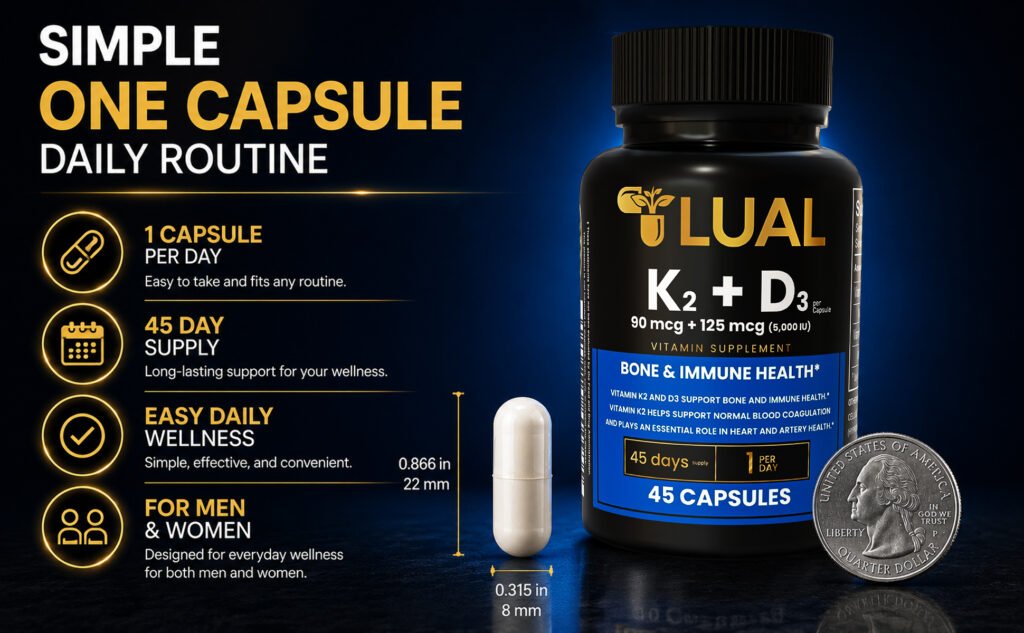
Bone Health
Bone health is the area with the strongest scientific support for the Vitamin D3 and K2 combination.
Bones are living tissues that constantly undergo remodeling throughout life. This process depends on an adequate supply of minerals—particularly calcium—as well as nutrients that regulate how those minerals are absorbed and utilized.
Vitamin D3 contributes to normal calcium and phosphorus absorption in the digestive tract, while Vitamin K2 activates proteins such as osteocalcin that participate in normal bone mineralization.
Together, these nutrients support the body’s natural processes involved in maintaining healthy bones.
Several randomized clinical trials and meta-analyses have investigated this relationship. Some studies have reported improvements in bone mineral density and Vitamin K-dependent biomarkers among specific populations, particularly postmenopausal women. However, researchers also note that outcomes vary depending on age, health status, dosage, and study design.
Maintaining bone health involves much more than supplementation alone. Regular weight-bearing exercise, adequate dietary calcium, balanced nutrition, and healthy lifestyle habits all play important roles throughout life.
Bone Health Highlights
- Supports normal calcium absorption.
- Contributes to healthy bone mineralization.
- Helps maintain healthy bones and teeth.
- Supports normal calcium metabolism.
- Complements a balanced diet rich in calcium.
Immune System Support
Vitamin D plays an established role in supporting the normal function of the immune system.
Vitamin D receptors are found on numerous immune cells, including T cells, B cells, macrophages, and dendritic cells. This widespread distribution has led researchers to investigate Vitamin D’s role in maintaining normal immune responses.
The National Institutes of Health recognizes Vitamin D as a nutrient that contributes to normal immune function.
While Vitamin K2 is not generally promoted as an immune-support vitamin, maintaining overall nutritional balance—including adequate intake of both vitamins—supports the body’s normal physiological functions.
It is important to note that dietary supplements are not intended to prevent or treat infections or immune-related diseases.
Immune Support Highlights
- Vitamin D contributes to normal immune system function.
- Supports everyday wellness throughout the year.
- Complements healthy lifestyle habits.
- Helps maintain overall nutritional balance.
Muscle Function
Healthy muscles depend on many nutrients working together, including calcium, magnesium, protein, and Vitamin D.
Vitamin D contributes to normal muscle function, a claim recognized by numerous public health authorities around the world.
Muscle cells contain Vitamin D receptors, and adequate Vitamin D intake supports normal muscle physiology as part of overall health.
Maintaining healthy muscles becomes increasingly important with age because muscle strength contributes to mobility, balance, and everyday independence.
Although Vitamin K2 is primarily known for its role in calcium metabolism, ongoing research continues to explore how multiple nutrients interact to support musculoskeletal health.
Muscle Function Highlights
- Supports normal muscle function.
- Helps maintain mobility.
- Complements active lifestyles.
- Supports healthy aging and physical activity.
Cardiovascular Health
One of the fastest-growing areas of Vitamin K2 research involves cardiovascular physiology.
Researchers have become interested in Matrix Gla Protein (MGP), a Vitamin K-dependent protein found throughout vascular tissues. Vitamin K is required for the activation of this protein as part of normal calcium metabolism.
Because calcium regulation is important throughout the body, scientists continue to investigate the potential relationship between Vitamin K status and cardiovascular health.
However, current evidence does not support claims that Vitamin K2 prevents heart disease, arterial calcification, stroke, or other cardiovascular conditions.
The most accurate interpretation of today’s research is that Vitamin K contributes to the activation of proteins involved in normal calcium metabolism while investigations into cardiovascular outcomes continue.
Cardiovascular Health Highlights
- Vitamin K activates Vitamin K-dependent proteins.
- Supports normal calcium metabolism.
- Research into cardiovascular health continues to evolve.
- Complements a heart-healthy lifestyle that includes proper nutrition, exercise, and regular medical care.
Healthy Aging
Maintaining optimal nutrition becomes increasingly important as we grow older.
Natural aging is associated with changes in nutrient absorption, reduced sun exposure, lower dietary intake, and evolving nutritional needs. These factors help explain why many adults become more interested in nutrients such as Vitamin D3 and Vitamin K2 later in life.
Healthy aging is not determined by any single vitamin. Instead, it reflects the combined effects of balanced nutrition, physical activity, quality sleep, regular medical care, and healthy lifestyle choices.
Vitamin D3 and Vitamin K2 fit into this broader picture by supporting normal bone health, calcium metabolism, muscle function, and overall nutritional wellness.
Rather than serving as a quick solution, these nutrients are best viewed as part of a long-term wellness strategy.
Healthy Aging Highlights
- Supports everyday wellness as nutritional needs change with age.
- Helps maintain healthy bones and muscles.
- Complements active lifestyles.
- Supports long-term nutritional balance.
- Convenient once-daily supplementation may simplify wellness routines.
Why Many Adults Choose Vitamin D3 + K2
Adults choose Vitamin D3 + K2 supplements for many different reasons. Common goals include:
- Supporting healthy bones.
- Maintaining normal calcium metabolism.
- Supporting muscle function.
- Complementing immune health.
- Simplifying daily nutritional routines.
- Supporting overall wellness as part of healthy aging.
When combined with a balanced diet, regular exercise, and healthy lifestyle habits, Vitamin D3 and Vitamin K2 provide nutritional support for many of the body’s normal physiological functions.
A Balanced Perspective
Although research surrounding Vitamin D3 and Vitamin K2 continues to expand, it’s important to keep expectations realistic.
Scientific evidence strongly supports the individual physiological roles of both nutrients, particularly regarding calcium metabolism and bone health. Research investigating their combined use has produced encouraging findings in several clinical studies, especially in specific populations such as postmenopausal women.
At the same time, researchers agree that more large, long-term clinical trials are needed to better understand the full range of potential benefits for the general population.
For this reason, Vitamin D3 + K2 supplements should be viewed as part of an overall healthy lifestyle—not as a substitute for medical care, balanced nutrition, or professional healthcare advice.
Key Takeaways
- Bone Health: Vitamin D3 supports calcium absorption, while Vitamin K2 activates proteins involved in normal bone mineralization.
- Immune Support: Vitamin D contributes to the normal function of the immune system.
- Muscle Function: Vitamin D helps maintain normal muscle function and supports mobility.
- Cardiovascular Health: Vitamin K-dependent proteins participate in normal calcium metabolism; research into cardiovascular outcomes is ongoing.
- Healthy Aging: Vitamin D3 and K2 support multiple physiological processes that become increasingly important with age.
- Overall Wellness: Together, these nutrients provide complementary nutritional support as part of a balanced, healthy lifestyle.
Scientific References
- National Institutes of Health (NIH). Vitamin D Fact Sheet for Health Professionals. https://ods.od.nih.gov/factsheets/VitaminD-HealthProfessional/
- National Institutes of Health (NIH). Vitamin K Fact Sheet for Health Professionals. https://ods.od.nih.gov/factsheets/VitaminK-HealthProfessional/
- Kuang X, et al. The Combination Effect of Vitamin K and Vitamin D on Human Bone Quality: A Meta-Analysis of Randomized Controlled Trials. Calcified Tissue International. 2020.
- Holick MF. Vitamin D Deficiency. New England Journal of Medicine. 2007.
- Beulens JWJ, Booth SL, van den Heuvel EGHM, et al. The Role of Menaquinones (Vitamin K2) in Human Health. British Journal of Nutrition. 2013.
- Institute of Medicine (National Academies). Dietary Reference Intakes for Calcium and Vitamin D. 2011.
Food Sources of Vitamin D3 & Vitamin K2
One of the best ways to support your nutritional needs is through a balanced diet rich in whole foods. While many people choose dietary supplements for convenience or to help fill nutritional gaps, foods remain the foundation of healthy nutrition.
Vitamin D3 and Vitamin K2 occur naturally in different foods, although they are generally found in relatively limited amounts compared to many other vitamins. Understanding where these nutrients come from can help you make informed dietary choices and build a well-rounded wellness routine.
Foods Rich in Vitamin D3
Vitamin D3 (cholecalciferol) is naturally found in relatively few foods. In fact, sunlight remains the body’s primary source of Vitamin D3, with UVB rays stimulating its production in the skin.
When dietary intake is needed, some of the best food sources include:
| Food | Approximate Vitamin D3 Content* |
|---|---|
| Cod liver oil (1 tablespoon) | ~1,360 IU |
| Wild salmon (3.5 oz / 100 g) | ~600–1,000 IU |
| Farmed salmon (3.5 oz / 100 g) | ~250–600 IU |
| Rainbow trout | ~650 IU |
| Sardines | ~270 IU |
| Mackerel | ~360 IU |
| Tuna | ~230 IU |
| Egg yolk (1 large) | ~40 IU |
| Beef liver | Small amounts |
| Fortified milk | ~100 IU per cup |
| Fortified yogurt | Varies |
| Fortified orange juice | Varies |
| Fortified breakfast cereals | Varies |
*Values are approximate and may vary depending on brand, preparation, and country.
Why Many People Don’t Get Enough Vitamin D
Even individuals who eat a healthy diet may struggle to obtain adequate Vitamin D3 because:
- Few foods naturally contain significant amounts.
- Many people spend most of the day indoors.
- Sunscreen reduces Vitamin D production.
- Winter months reduce UVB exposure.
- Older adults produce less Vitamin D through the skin.
- People living farther from the equator receive less UVB radiation during parts of the year.
For these reasons, Vitamin D supplementation has become increasingly common worldwide.
Foods Rich in Vitamin K2
Unlike Vitamin D3, Vitamin K2 is primarily found in fermented foods and certain animal products.
Some of the richest natural dietary sources include:
| Food | Primary Form |
|---|---|
| Natto (fermented soybeans) | MK-7 |
| Gouda cheese | MK-7 |
| Edam cheese | MK-7 |
| Brie cheese | MK-8/MK-9 |
| Jarlsberg cheese | Mixed menaquinones |
| Chicken liver | MK-4 |
| Beef liver | MK-4 |
| Egg yolks | MK-4 |
| Butter | MK-4 |
| Dark meat chicken | MK-4 |
Among all foods, natto is widely recognized as one of the richest natural sources of Vitamin K2 (MK-7).
Vitamin K1 vs. Vitamin K2
Many people assume all Vitamin K is the same, but there are important differences.
Vitamin K1 (Phylloquinone)
Common sources include:
- Spinach
- Kale
- Collard greens
- Swiss chard
- Broccoli
- Brussels sprouts
- Lettuce
Vitamin K1 is abundant in green vegetables and is primarily associated with supporting normal blood clotting.
Vitamin K2 (Menaquinone)
Common sources include:
- Natto
- Fermented cheeses
- Egg yolks
- Liver
- Butter
- Chicken
Vitamin K2 includes several forms, with MK-7 being the form most commonly used in premium dietary supplements because of its longer half-life.
Why Aren’t Vitamin D3 and K2 Easy to Obtain From Food?
Although both nutrients occur naturally, modern eating habits often provide relatively small amounts.
Several factors contribute to lower intake:
- Reduced consumption of fermented foods.
- Limited intake of organ meats.
- Lower consumption of oily fish.
- Indoor lifestyles reducing natural Vitamin D production.
- Increased use of sunscreen.
- Dietary preferences that exclude animal products.
As a result, many adults choose supplements to complement—not replace—a healthy diet.
Can You Get Enough From Food Alone?
The answer depends on your individual lifestyle and dietary habits.
People who regularly eat fatty fish, fermented foods, eggs, dairy products, and spend time outdoors may obtain meaningful amounts of Vitamin D3 and Vitamin K2 naturally.
However, others may find it more challenging, particularly if they:
- Follow restrictive diets.
- Eat little seafood.
- Rarely consume fermented foods.
- Live in northern climates.
- Spend most of their time indoors.
- Are older adults.
- Have dietary patterns that limit Vitamin D- or K2-rich foods.
A healthcare professional can help determine whether supplementation is appropriate based on individual nutritional needs.
Why Many Vitamin D3 Supplements Include K2
Many premium supplements combine Vitamin D3 with Vitamin K2 because these nutrients support complementary physiological processes.
A typical daily formula provides:
- Vitamin D3 to support normal calcium absorption.
- Vitamin K2 (usually MK-7) to support activation of Vitamin K-dependent proteins involved in normal calcium metabolism.
This combination allows adults to obtain both nutrients in one convenient daily serving while maintaining a simple wellness routine.
Tips for Supporting Healthy Vitamin D & K Intake
Building healthy nutritional habits doesn’t require dramatic changes. Small, consistent choices can make a meaningful difference over time.
Consider these simple strategies:
- Include fatty fish in your meals one to two times per week.
- Eat a variety of colorful vegetables every day.
- Include foods naturally containing Vitamin K2 when appropriate.
- Spend safe, moderate time outdoors when possible.
- Follow a balanced diet that includes adequate calcium and protein.
- Discuss supplementation with your healthcare provider if you have concerns about your nutrient intake.
Key Takeaways
- Vitamin D3 is naturally found in fatty fish, egg yolks, liver, and fortified foods, while sunlight remains the body’s primary source.
- Vitamin K2 is found mainly in fermented foods and animal-derived products, with natto being one of the richest natural sources of MK-7.
- Modern lifestyles often reduce natural intake of both nutrients.
- A balanced diet remains the foundation of good nutrition, while supplements may help complement dietary intake when appropriate.
- Vitamin D3 and Vitamin K2 are frequently combined because they support complementary aspects of normal calcium metabolism and overall wellness.
Scientific References
- National Institutes of Health (NIH). Vitamin D Fact Sheet for Health Professionals
https://ods.od.nih.gov/factsheets/VitaminD-HealthProfessional/ - National Institutes of Health (NIH). Vitamin K Fact Sheet for Health Professionals
https://ods.od.nih.gov/factsheets/VitaminK-HealthProfessional/ - U.S. Department of Agriculture (USDA) FoodData Central
https://fdc.nal.usda.gov/ - Walther B, Karl JP, Booth SL, Boyaval P. Menaquinones, Bacteria, and the Food Supply: The Relevance of Dairy and Fermented Food Products to Vitamin K Requirements. Advances in Nutrition. 2013.
- Institute of Medicine (National Academies). Dietary Reference Intakes for Calcium and Vitamin D.
Dosage & Safety of Vitamin D3 + K2
Vitamin D3 and Vitamin K2 are widely used dietary supplements that can be incorporated into a balanced wellness routine. However, like any nutrient, the appropriate amount varies from person to person based on factors such as age, diet, sun exposure, overall health, and guidance from a healthcare professional.
This section explains current dosage recommendations, commonly used supplemental amounts, safety considerations, and situations where professional medical advice is especially important.
How Much Vitamin D3 Do Adults Need?
The Recommended Dietary Allowance (RDA) established by the U.S. National Academies is intended to meet the needs of most healthy individuals.
| Age Group | Recommended Daily Intake (RDA) |
|---|---|
| 19–70 years | 600 IU (15 mcg) |
| Over 70 years | 800 IU (20 mcg) |
These recommendations assume minimal sun exposure and represent general nutritional guidelines rather than individualized medical advice.
Many adults consume higher supplemental amounts under the supervision of their healthcare provider, particularly when blood testing indicates lower vitamin D status.
Why Do Some Supplements Contain 5,000 IU?
Many premium Vitamin D3 supplements provide 5,000 IU (125 mcg) per capsule.
This amount is commonly chosen because it offers a convenient once-daily serving for adults whose healthcare provider recommends higher Vitamin D intake.
Although 5,000 IU is widely available as an over-the-counter dietary supplement, individual needs vary considerably.
Some people may require lower or higher amounts depending on factors such as:
- Current blood Vitamin D levels
- Age
- Body weight
- Geographic location
- Sun exposure
- Dietary intake
- Overall health
- Medical guidance
For this reason, many healthcare professionals recommend measuring blood 25-hydroxyvitamin D [25(OH)D] levels when evaluating individual Vitamin D needs.
How Much Vitamin K2 Is Commonly Used?
Unlike Vitamin D, there is currently no official Recommended Dietary Allowance (RDA) established specifically for Vitamin K2 (menaquinone).
However, many high-quality dietary supplements provide:
- 45 mcg
- 90 mcg
- 100 mcg
- 120 mcg
- 180 mcg
Most Vitamin D3 + K2 products formulated with MK-7 contain between 90 and 120 mcg per daily serving.
These amounts are commonly used because MK-7 remains in circulation longer than MK-4, making it suitable for once-daily supplementation.
Can Vitamin D3 and K2 Be Taken Together?
Yes.
Vitamin D3 and Vitamin K2 are frequently combined into a single daily supplement because they participate in complementary physiological processes related to normal calcium metabolism.
Many adults prefer combination products because they provide both nutrients in one convenient serving.
Current research has not identified any known nutritional conflict between Vitamin D3 and Vitamin K2 when used according to product directions.
When Should You Take Vitamin D3 + K2?
Because both Vitamin D3 and Vitamin K2 are fat-soluble vitamins, they are generally absorbed best when taken with a meal that contains dietary fat.
Many people choose to take their supplement:
- With breakfast
- With lunch
- With dinner
Consistency is often more important than the exact time of day.
Taking the supplement at the same time each day may help establish a regular wellness routine.
Can You Take Vitamin D3 + K2 Every Day?
Many adults include Vitamin D3 + K2 as part of their daily nutritional routine.
Daily supplementation is common because these vitamins participate in ongoing physiological processes related to calcium metabolism, immune function, and bone maintenance.
However, the appropriate daily amount should be individualized based on dietary intake, lifestyle, and professional medical guidance.
Is More Always Better?
Not necessarily.
While Vitamin D is an essential nutrient, excessive intake over long periods may increase the risk of elevated blood calcium levels (hypercalcemia), particularly when used in amounts well above recommended levels without medical supervision.
Potential symptoms of excessive Vitamin D intake may include:
- Nausea
- Vomiting
- Increased thirst
- Frequent urination
- Weakness
- Confusion
These effects are generally associated with prolonged excessive intake rather than normal use according to product directions.
For this reason, taking more than the recommended serving is not advised unless specifically recommended by a qualified healthcare professional.
Vitamin D Upper Intake Level
The National Institutes of Health lists the Tolerable Upper Intake Level (UL) for adults as:
4,000 IU (100 mcg) per day
It is important to understand what this means.
The UL is not a recommended daily intake.
Instead, it represents the highest average daily intake that is unlikely to pose health risks for most healthy adults from all sources without medical supervision.
Healthcare providers may recommend higher amounts for certain individuals based on laboratory testing and clinical evaluation.
Vitamin K2 Safety
Vitamin K2 is generally well tolerated when consumed as part of a balanced diet or according to supplement directions.
Unlike some fat-soluble vitamins, no Tolerable Upper Intake Level has been established for Vitamin K because adverse effects from food or supplemental intake have not been consistently demonstrated in healthy individuals.
However, Vitamin K plays an important role in normal blood clotting.
Because of this, individuals taking anticoagulant medications should consult their healthcare provider before changing their Vitamin K intake.
Who Should Consult a Healthcare Professional?
Before starting any dietary supplement, individuals should speak with a healthcare professional if they:
- Are pregnant or breastfeeding.
- Take prescription medications.
- Use blood-thinning medications such as warfarin (Coumadin®).
- Have kidney disease.
- Have liver disease.
- Have disorders affecting calcium metabolism.
- Have been diagnosed with elevated blood calcium levels.
- Have sarcoidosis or other granulomatous diseases.
- Have concerns about their Vitamin D status.
Professional guidance helps ensure supplementation is appropriate for individual health needs.
Can Vitamin D Levels Be Tested?
Yes.
The most commonly used laboratory test is:
25-hydroxyvitamin D [25(OH)D]
This blood test measures the body’s Vitamin D stores and is widely used by healthcare providers when evaluating Vitamin D status.
Testing can help determine whether dietary intake and supplementation are appropriate for an individual’s needs.
Practical Tips for Safe Supplementation
To help support safe and consistent use:
✔ Follow the serving size listed on the product label.
✔ Take fat-soluble vitamins with food when possible.
✔ Store supplements in a cool, dry place.
✔ Keep products out of reach of children.
✔ Avoid taking multiple Vitamin D products unless advised by your healthcare provider.
✔ Discuss supplementation with your healthcare professional if you have underlying medical conditions or take prescription medications.
Frequently Asked Dosage Questions
Can I take Vitamin D3 and K2 together every day?
Yes. Many adults include Vitamin D3 and Vitamin K2 in their daily wellness routine when used according to product directions or as recommended by a healthcare professional.
Should I take Vitamin D3 + K2 in the morning or at night?
There is no universally preferred time. Because both vitamins are fat-soluble, many people take them with a meal containing healthy fats.
Is 5,000 IU of Vitamin D3 safe?
Many adults use 5,000 IU supplements under the guidance of their healthcare provider. Individual requirements vary, and blood testing may help determine appropriate intake.
Can I take more than one capsule?
Only follow the serving size listed on the product label unless your healthcare provider recommends otherwise.
Key Takeaways
- Vitamin D3 and Vitamin K2 are commonly taken together in once-daily supplements.
- Vitamin D3 is best absorbed when taken with food containing fat.
- Many combination supplements provide 5,000 IU Vitamin D3 and 90–120 mcg Vitamin K2 (MK-7).
- Individual dosage needs vary based on lifestyle, diet, and overall health.
- Blood testing can help evaluate Vitamin D status.
- Individuals taking blood-thinning medications should consult their healthcare provider before using Vitamin K supplements.
- Following the recommended serving size is the safest approach unless otherwise directed by a healthcare professional.
Scientific References
- National Institutes of Health (NIH), Office of Dietary Supplements. Vitamin D Fact Sheet for Health Professionals
https://ods.od.nih.gov/factsheets/VitaminD-HealthProfessional/ - National Institutes of Health (NIH), Office of Dietary Supplements. Vitamin K Fact Sheet for Health Professionals
https://ods.od.nih.gov/factsheets/VitaminK-HealthProfessional/ - Institute of Medicine (National Academies). Dietary Reference Intakes for Calcium and Vitamin D. National Academies Press, 2011.
- Endocrine Society. Evaluation, Treatment, and Prevention of Vitamin D Deficiency: Clinical Practice Guideline.
- Holick MF. Vitamin D Deficiency. New England Journal of Medicine. 2007.
What is Vitamin D3?
Vitamin D3 (cholecalciferol) is a fat-soluble vitamin that helps the body absorb calcium and phosphorus. It supports healthy bones, normal muscle function, immune system function, and overall wellness as part of a balanced diet.
What is Vitamin K2?
Vitamin K2 is a fat-soluble vitamin that activates Vitamin K-dependent proteins involved in normal calcium metabolism. The most common supplemental forms are MK-4 and MK-7, with MK-7 being widely used in once-daily supplements.
Why are Vitamin D3 and K2 often taken together?
Vitamin D3 helps the body absorb calcium, while Vitamin K2 activates proteins involved in the body’s normal use of calcium. Because they support complementary physiological processes, many supplements combine both nutrients in one convenient capsule.
What is the difference between Vitamin K1 and Vitamin K2?
Vitamin K1 is found mainly in leafy green vegetables and primarily supports normal blood clotting. Vitamin K2 is found in fermented foods and certain animal products and plays a role in activating proteins involved in calcium metabolism.
What is MK-7?
MK-7 (Menaquinone-7) is one of the most researched forms of Vitamin K2. It remains in the bloodstream longer than MK-4, making it a popular choice for once-daily dietary supplements.
Is Vitamin D3 better than Vitamin D2?
Vitamin D3 is the form naturally produced by the skin after sunlight exposure. Research suggests that Vitamin D3 is generally more effective than Vitamin D2 at raising and maintaining blood vitamin D levels.
What foods naturally contain Vitamin D3?
Natural food sources include:
Salmon
Sardines
Mackerel
Cod liver oil
Egg yolks
Beef liver
Fortified dairy products
Fortified cereals
What foods contain Vitamin K2?
Vitamin K2 is found in:
Natto (fermented soybeans)
Gouda cheese
Brie cheese
Egg yolks
Butter
Chicken liver
Beef liver
Fermented dairy products
Can I take Vitamin D3 and K2 every day?
Many adults include Vitamin D3 and K2 in their daily wellness routine according to product directions or healthcare provider recommendations.
When is the best time to take Vitamin D3 and K2?
Because both vitamins are fat-soluble, they are generally best taken with a meal containing healthy fats. Consistency is often more important than the exact time of day.
Should Vitamin D3 be taken with food?
Yes. Taking Vitamin D3 with food—especially a meal containing dietary fat—may help optimize absorption.
Can I take Vitamin D3 and calcium together?
Yes. Vitamin D contributes to normal calcium absorption, which is why calcium and Vitamin D are frequently included together in dietary supplements.
Is Vitamin D3 important for bone health?
Yes. Vitamin D contributes to normal calcium absorption and helps maintain healthy bones and teeth as part of a balanced diet.
Does Vitamin K2 support bone health?
Vitamin K activates proteins involved in normal bone mineralization, making it an important nutrient for healthy bone metabolism.
Does Vitamin D support the immune system?
Yes. Vitamin D contributes to the normal function of the immune system, according to the National Institutes of Health.
Does Vitamin D support muscle function?
Yes. Vitamin D contributes to normal muscle function and is involved in maintaining healthy muscles throughout life.
What is the recommended daily intake of Vitamin D?
The Recommended Dietary Allowance (RDA) for most healthy adults is:
600 IU (ages 19–70)
800 IU (over age 70)
Individual needs may vary.
Why do some supplements contain 5,000 IU of Vitamin D3?
Many premium supplements provide 5,000 IU because healthcare professionals sometimes recommend higher Vitamin D intake for certain individuals based on blood test results and personal nutritional needs.
Can I take more than one capsule?
Always follow the serving size listed on the product label unless your healthcare provider recommends otherwise.
Who should talk to a healthcare provider before taking Vitamin D3 and K2?
Consult your healthcare provider if you:
Are pregnant or breastfeeding
Take prescription medications
Use blood-thinning medications
Have kidney disease
Have liver disease
Have disorders affecting calcium metabolism
Can Vitamin D levels be measured?
Yes. Healthcare providers commonly measure blood levels using the 25-hydroxyvitamin D [25(OH)D] test.
Can I get enough Vitamin D from sunlight alone?
Some people can, depending on where they live, sun exposure, skin type, age, season, and sunscreen use. Others may not produce enough through sunlight alone.
Why do many people take Vitamin D supplements?
Modern lifestyles often involve limited sun exposure, indoor work, and diets low in natural Vitamin D sources, making supplementation a convenient option for many adults.
Is Vitamin K2 safe?
Vitamin K2 is generally well tolerated when used according to product directions. Individuals taking anticoagulant medications should consult their healthcare provider before using Vitamin K supplements.
What is the difference between MK-4 and MK-7?
MK-4 has a shorter half-life and is commonly found in animal foods, while MK-7 remains in circulation longer and is commonly used in once-daily dietary supplements.
Why is MK-7 commonly used in supplements?
Because MK-7 has a longer half-life than MK-4, it remains available in the body for a longer period, making it well suited for once-daily supplementation.
Can Vitamin D3 and K2 replace a healthy diet?
No. Dietary supplements are intended to complement a balanced diet, not replace healthy eating, regular exercise, and other healthy lifestyle habits.
How should Vitamin D3 and K2 supplements be stored?
Store supplements in a cool, dry place away from direct sunlight and keep them out of reach of children.
Who may benefit from Vitamin D3 and K2 supplementation?
Many adults choose Vitamin D3 and K2 as part of their daily wellness routine, particularly those looking to support bone health, normal calcium metabolism, muscle function, and overall nutritional balance. Individual needs vary, and supplementation decisions should be made with guidance from a healthcare professional when appropriate.
What should I look for in a high-quality Vitamin D3 + K2 supplement?
When selecting a supplement, consider products that offer:
Vitamin D3 (Cholecalciferol)
Vitamin K2 as MK-7
Clearly labeled ingredient amounts
Third-party quality standards when available
Manufacturing in GMP-certified facilities
Transparent labeling and usage directions
Scientific References
The information presented in this article is based on current scientific literature and trusted health organizations. While research on Vitamin D3 and Vitamin K2 continues to evolve, these references represent some of the most respected sources available at the time of publication.
Government & Health Organizations
National Institutes of Health (NIH) – Office of Dietary Supplements
- Vitamin D Fact Sheet for Health Professionals
https://ods.od.nih.gov/factsheets/VitaminD-HealthProfessional/ - Vitamin K Fact Sheet for Health Professionals
https://ods.od.nih.gov/factsheets/VitaminK-HealthProfessional/
Institute of Medicine (National Academies)
Dietary Reference Intakes for Calcium and Vitamin D.
https://nap.nationalacademies.org/catalog/13050/dietary-reference-intakes-for-calcium-and-vitamin-d
Endocrine Society
Evaluation, Treatment, and Prevention of Vitamin D Deficiency: Clinical Practice Guideline.
Scientific Publications
Holick MF.
Vitamin D Deficiency.
New England Journal of Medicine. 2007.
Beulens JWJ, Booth SL, van den Heuvel EGHM, et al.
The Role of Menaquinones (Vitamin K2) in Human Health.
British Journal of Nutrition. 2013.
https://pubmed.ncbi.nlm.nih.gov/23590754
Kuang X, Liu C, Guo X, et al.
The Combination Effect of Vitamin K and Vitamin D on Human Bone Quality: A Meta-analysis of Randomized Controlled Trials.
Calcified Tissue International. 2020.
https://pubmed.ncbi.nlm.nih.gov/32219282
Ma ML, Ma ZJ, He YL, et al.
Efficacy of Vitamin K2 in the Prevention and Treatment of Postmenopausal Osteoporosis: A Systematic Review and Meta-analysis.
Osteoporosis International. 2022.
https://pubmed.ncbi.nlm.nih.gov/36033779
Mott A, Bradley T, Wright K, et al.
Effect of Vitamin K on Bone Mineral Density and Fractures in Adults: A Systematic Review and Meta-analysis.
Journal of Bone and Mineral Research. 2019.
https://pubmed.ncbi.nlm.nih.gov/31076817
Walther B, Karl JP, Booth SL, Boyaval P.
Menaquinones, Bacteria, and the Food Supply: The Relevance of Dairy and Fermented Foods to Vitamin K Requirements.
Advances in Nutrition. 2013.
https://pubmed.ncbi.nlm.nih.gov/23674794
Shearer MJ, Newman P.
Metabolism and Cell Biology of Vitamin K.
Thrombosis and Haemostasis. 2008.
https://pubmed.ncbi.nlm.nih.gov/18449413
U.S. Department of Agriculture (USDA)
FoodData Central
Medical Disclaimer
The information provided in this article is intended for educational and informational purposes only and should not be considered medical advice. Dietary supplements are not intended to diagnose, treat, cure, or prevent any disease.
Always consult a qualified healthcare professional before starting any dietary supplement, especially if you are pregnant, breastfeeding, taking prescription medications, have a medical condition, or are under medical supervision.
Individual nutritional needs may vary based on age, lifestyle, health status, dietary intake, and laboratory findings.
Final Thoughts
Maintaining good health is rarely about a single nutrient. Instead, it comes from the combination of balanced nutrition, regular physical activity, quality sleep, stress management, and healthy daily habits.
Vitamin D3 and Vitamin K2 each play important physiological roles, particularly in supporting normal calcium metabolism. When combined in a well-formulated supplement, they offer a convenient way to complement a healthy lifestyle and help fill nutritional gaps when appropriate.
Although research continues to evolve, current evidence supports the importance of these nutrients as part of everyday wellness. Choosing high-quality ingredients, following recommended serving directions, and maintaining consistency are all important components of a successful nutritional routine.
Ultimately, the best supplement is one that fits into a broader commitment to long-term health and healthy living.
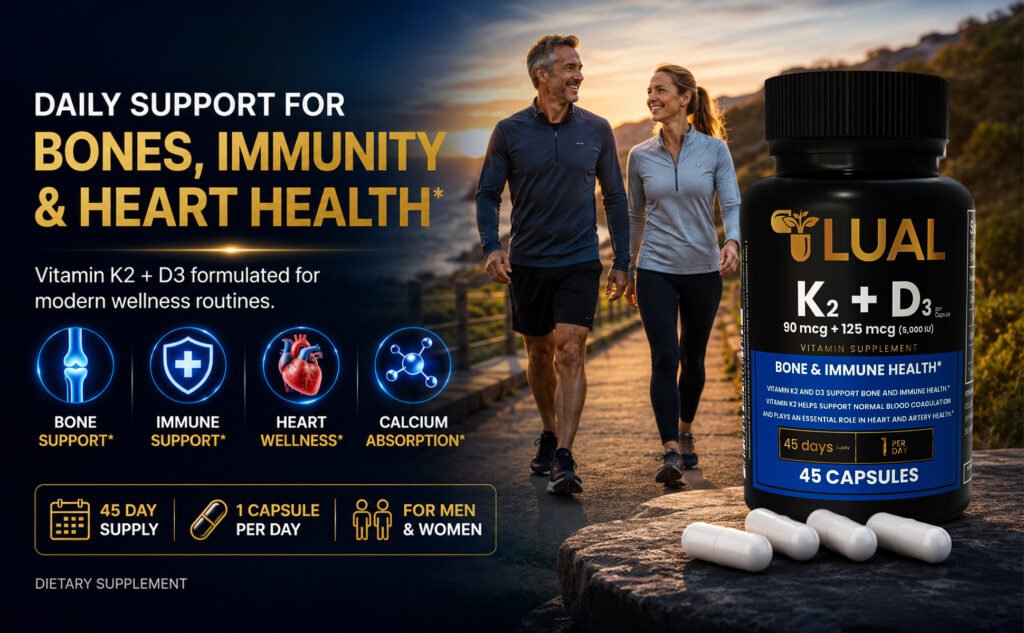
Ready to Support Your Daily Wellness?
If you’re looking for a premium Vitamin D3 + K2 MK-7 supplement, explore LUAL Vitamin D3 5000 IU + K2 MK-7.
Our carefully formulated once-daily capsules combine Vitamin D3 (Cholecalciferol) with Vitamin K2 as MK-7, manufactured in a GMP-certified facility using carefully selected ingredients and strict quality standards.
Why Choose LUAL?
✔ Vitamin D3 5000 IU + Vitamin K2 MK-7
✔ One convenient capsule per day
✔ Premium quality ingredients
✔ Manufactured in a GMP-certified facility
✔ Third-party quality standards
✔ Designed for daily wellness routines
Whether you’re building a long-term wellness plan or simply looking for a convenient way to support your daily nutritional routine, LUAL Vitamins is committed to helping you make informed choices backed by quality and transparency.
👉 Explore the complete LUAL Vitamins collection and discover wellness designed for everyday life.